How to Build Optionality Before You Need It
At the end of September, Argentina's Supreme Court opened the country's rural land to foreign buyers. Nine days later, the same court closed it again. And the ruling party, which had pushed to remove the limits, now says it wants them back.
If you had planned your life around that window, you had nine days.
This is how the world changes now. Not with one big collapse, but with rules that move a little at a time, in every direction, everywhere.
The Shocks Are Small, and They Come Without Warning
Most people picture a Plan B for the day the world falls apart. A war, a currency crash, a border closing overnight.
That day rarely comes. What comes is smaller. Your bank asks you, again, to prove where your money comes from. The tax regime you built your move around gets doubled. The residency program you meant to look at next year closes. The citizenship timeline you were counting on moves back by five years.
None of it looks like a crisis on the evening news. Each one can still change your plans.
The people who were ready didn't have to do anything. They already had a second residency, a second bank, assets in more than one place. They read the headline and went back to their coffee.
The Swings Everyone Saw Coming
Here is what the last two years actually looked like, on three continents.
Europe
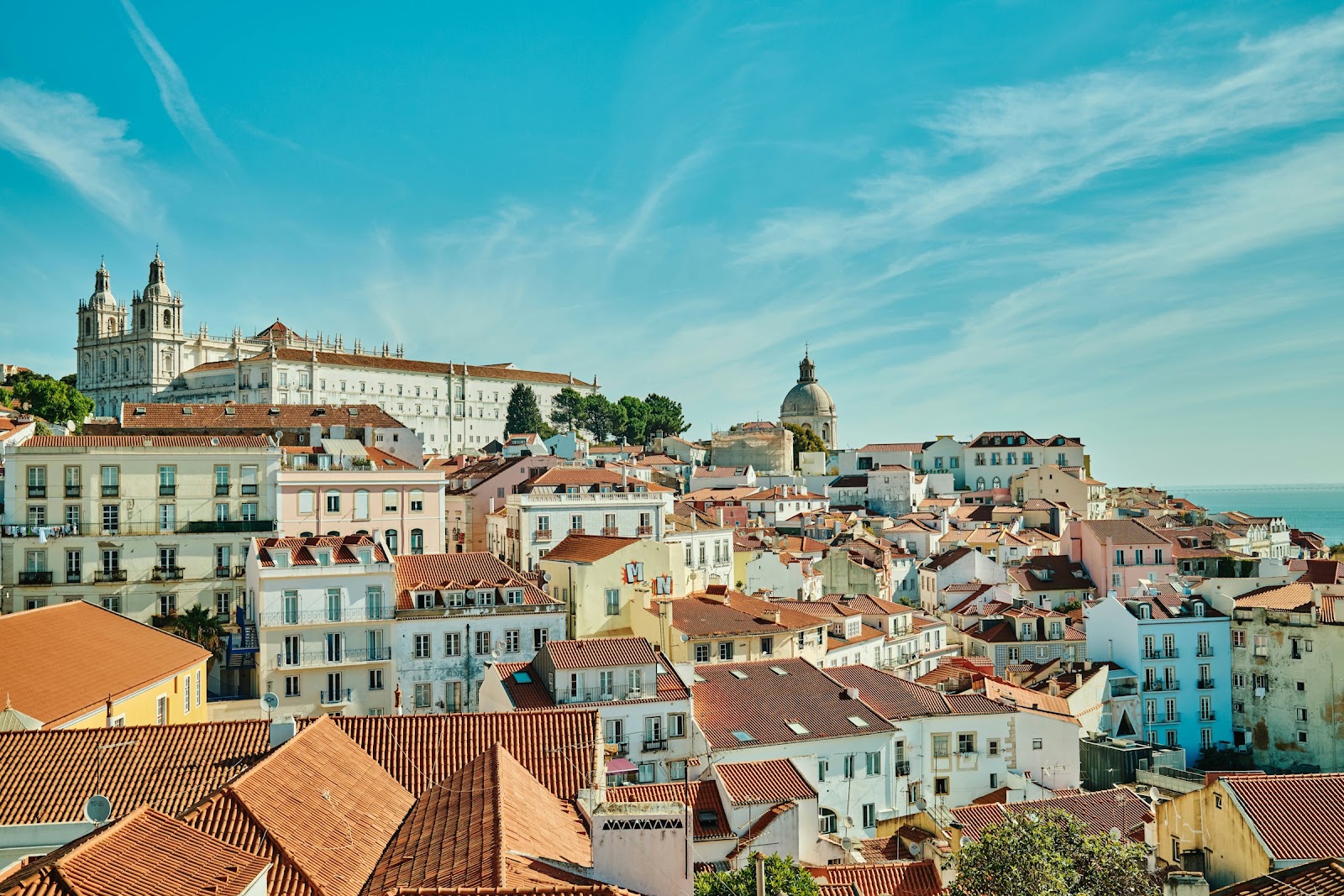
Spain. In April 2024 the government announced the end of its golden visa. A year later it was gone. Existing holders kept their rights. Everyone else found the door closed.
The United Kingdom. The non-dom regime had survived for more than two centuries. It ended in April 2025, a year after it was announced, and departures among the wealthy have gone up since.
Italy. The flat tax for new residents started at one hundred thousand euros a year. In 2024 it doubled. From 2026, new arrivals pay three hundred thousand. It tripled in less than a decade, while the people already inside kept their original rate.
Portugal. Since May 2026, naturalization takes ten years of legal residence for most non-EU nationals, double the old rule. Citizenship applications already filed stayed under the old law. Permanent residency did not change and is still available after five years.
South America
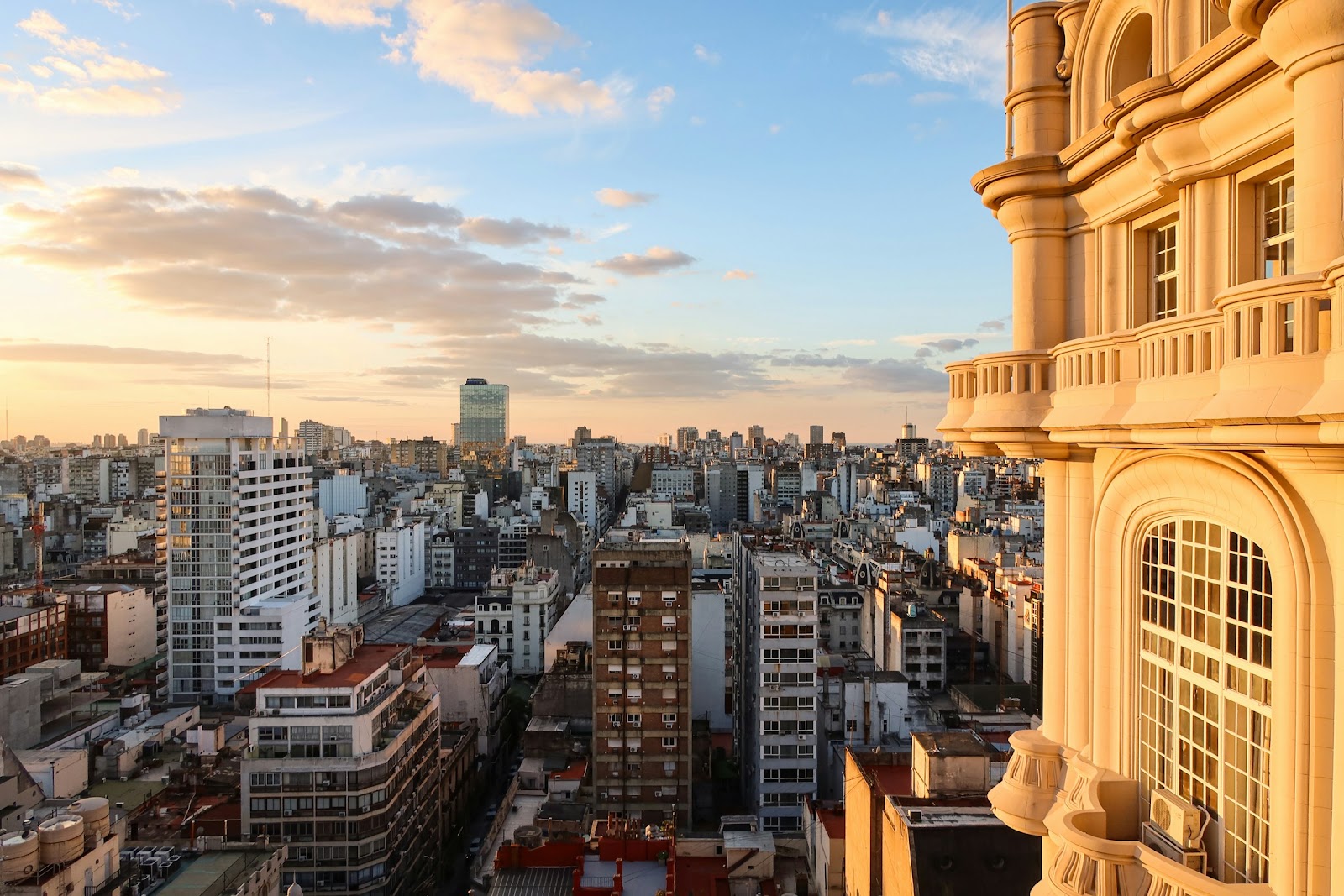
Argentina, again. Beyond the land saga, the country has been building a citizenship by investment program since 2025. The road has been anything but straight. Courts ruled against its founding decree in specific cases, the tender to design the program was cancelled, and the investment thresholds were only presented in October. Applications are still not open. It may become one of the most interesting programs in the world, or it may change again before it starts. Nobody knows yet.
Paraguay. For years the pitch was simple: territorial taxation, light residency, few questions. In March 2026 the tax authority introduced reporting on crypto transactions. It applies above five thousand dollars a year. It is not a new tax, but reporting usually comes first. In June the rules for permanent residency got stricter too, while in the same year Paraguay launched a new investor route. The country is moving in both directions at once.
Asia
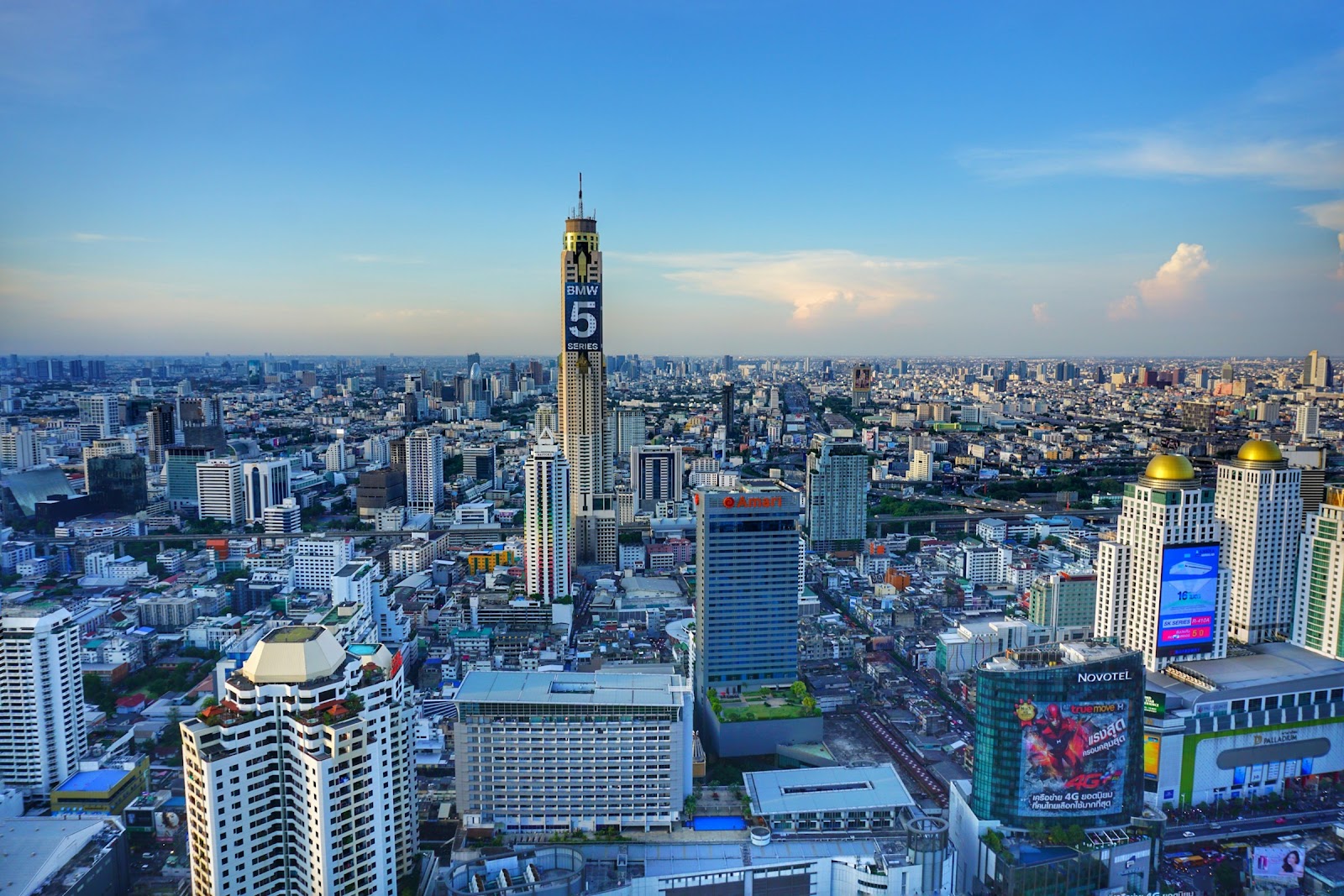
Thailand. Until 2024, residents could earn abroad, keep the money outside until the next calendar year and bring it in tax-free. That window closed in January 2024: foreign income is now taxed when it enters the country. Income earned before 2024 stayed protected.
Malaysia. The MM2H program has been rewritten twice in a few years. In 2021 the required monthly income quadrupled. In 2024 the program was redesigned again, and applicants now have to buy property and hold it for ten years.
Different continents, different politics, same pattern. Rules change everywhere, West and East, sometimes for the better and sometimes for the worse. And in almost every case, the people who had already moved were protected.
Why Waiting for the Crisis Is the Most Expensive Choice
Look at the list again. Almost nothing happened overnight. Spain gave a year of notice, and so did the UK. Italy announced its increase months before it applied. Portugal's reform took almost a year to get through Parliament.
The information was public. The window was open. Most people waited anyway.
Here is what waiting costs. When a door is about to close, everyone runs for it at the same moment. Lawyers get booked out, processing times stretch, prices go up. Then the door closes, and the people still outside find either a wall or a much bigger bill.
Transitional rules protect the people who are already inside. They almost never protect the people who were planning to go in.
There is one more door worth watching. Sooner or later, the big high-tax economies will introduce or tighten exit taxes, while the smaller, lower-tax countries won't, because they want people in. The best time to move is before leaving gets a price tag.
That is why optionality is cheapest when nothing is happening, when the news is boring and you feel no urgency at all.
How the Wealthiest Build Their Options
Look at how the people with the most to lose actually behave. They rarely move in a panic. They build quietly, years before anyone needs to know.
Peter Thiel became a New Zealand citizen in 2011. He had spent just twelve days in the country. Nobody knew for six years. It was not a reaction to a crisis. It was a layer added when nothing was happening. Years later he was reported to be pursuing a third passport, in Malta. And when Argentina became the hype of the moment, he bought a house in Buenos Aires but did not apply for citizenship. An asset to hold, not a passport to count on.
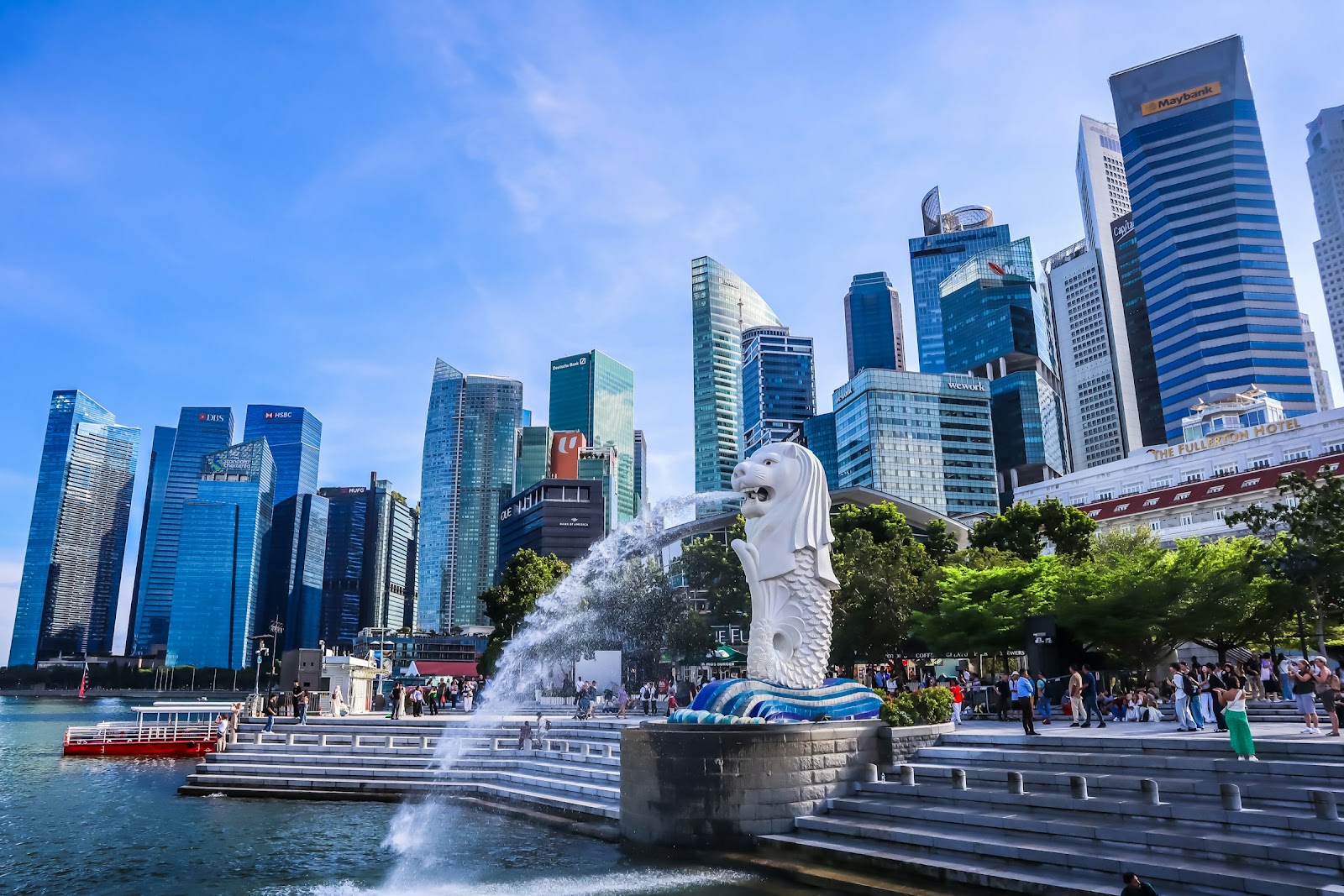
Ray Dalio spent three decades building relationships in Asia. In 2020 he opened his family office in Singapore. He has since pointed to Singapore, Malaysia and some Gulf states as places that earn more than they spend and stay geopolitically neutral. His whole approach to investing rests on the same idea: build something that holds up in any environment, because you can't know which one is coming.
Eric Schmidt and his family became citizens of Cyprus in 2020. Their approval was published right around the time Cyprus announced it was closing its program. They were among the last people through the door.
Larry Page applied for New Zealand residency under its investor visa in November 2020. When his family faced an emergency a few weeks later, the paperwork was already in motion.
The pattern never changes. The wealthy don't build options because they expect the end of the world. They build them early, because it costs less and works better when nobody else is asking.
One State, One Point of Failure
Most people still live with everything under one flag. One passport, one tax residency, one banking system, with their assets, their company and their family all in the same jurisdiction.
Engineers have a name for that: a single point of failure.
This is not about any country being bad. Every state can change its mind, and every bloc carries its own risks, in the West as much as in the East. The perfect country does not exist. What you can avoid is depending on only one.
The Passport Is King. Residency and Land Are Kings Too.
The passport is still the king. Once it is yours, no government can easily take it away, and the strongest ones open almost every door in the world.
But a passport is worth what its bloc is worth. The access it gives you depends on agreements you don't control, and those agreements change.
That is why residency and land are kings too. A strong residency, like a European or a UAE golden visa, gives you the right to live somewhere and bring your family. You can add it on top of what you already have, and in practice it can be worth almost as much as a second passport.
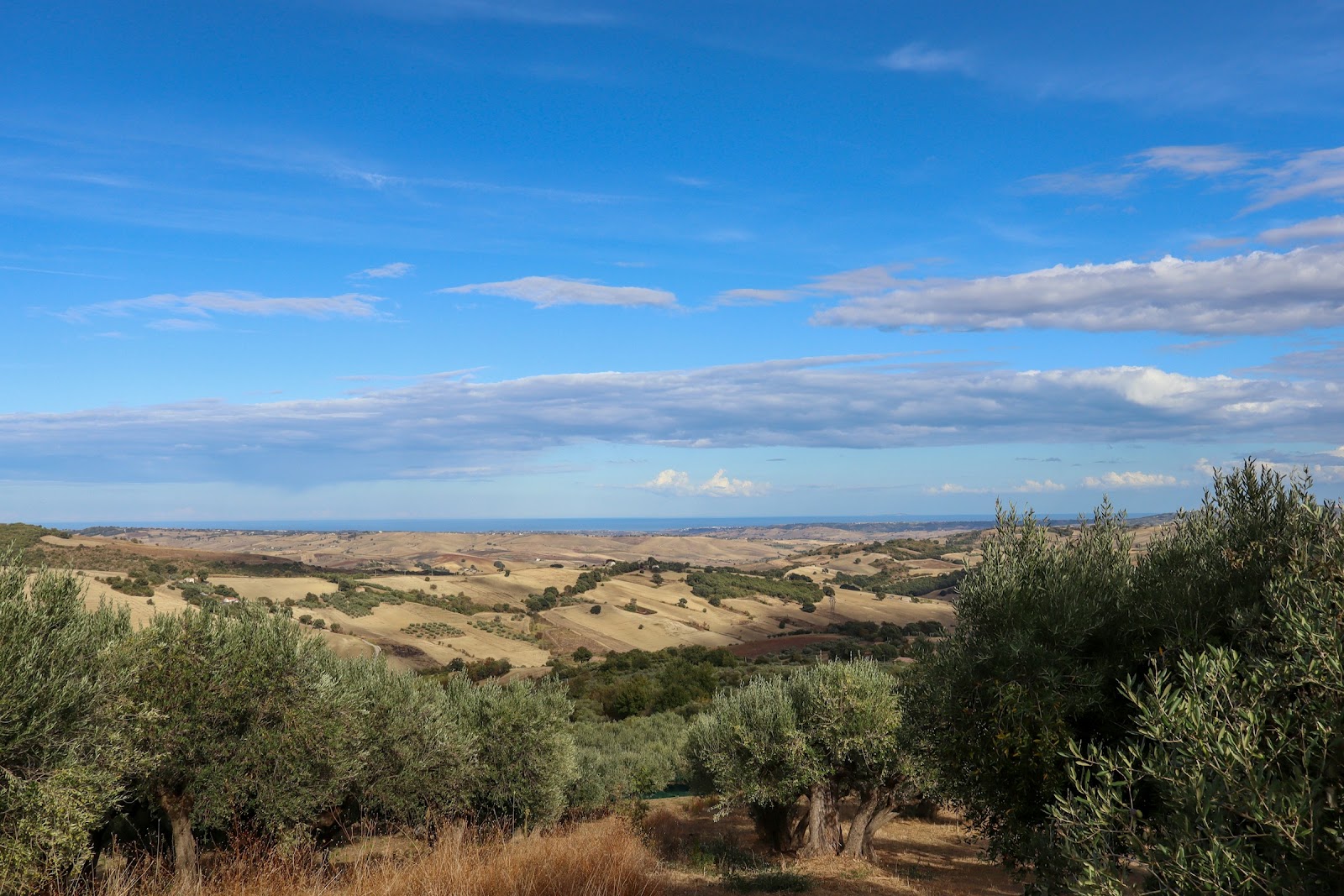
Land is the oldest store of value there is. Nobody can print more of it, and in a world being reshaped by AI, it is one of the few things that cannot be copied. Productive land, in a place you would actually want to live, is a crown of its own.
So don't pick one king. Hold more than one.
Diversify and Hedge Around Two Anchors
Diversification on its own is not a strategy. A little bit of everything, everywhere, mostly means paperwork everywhere.
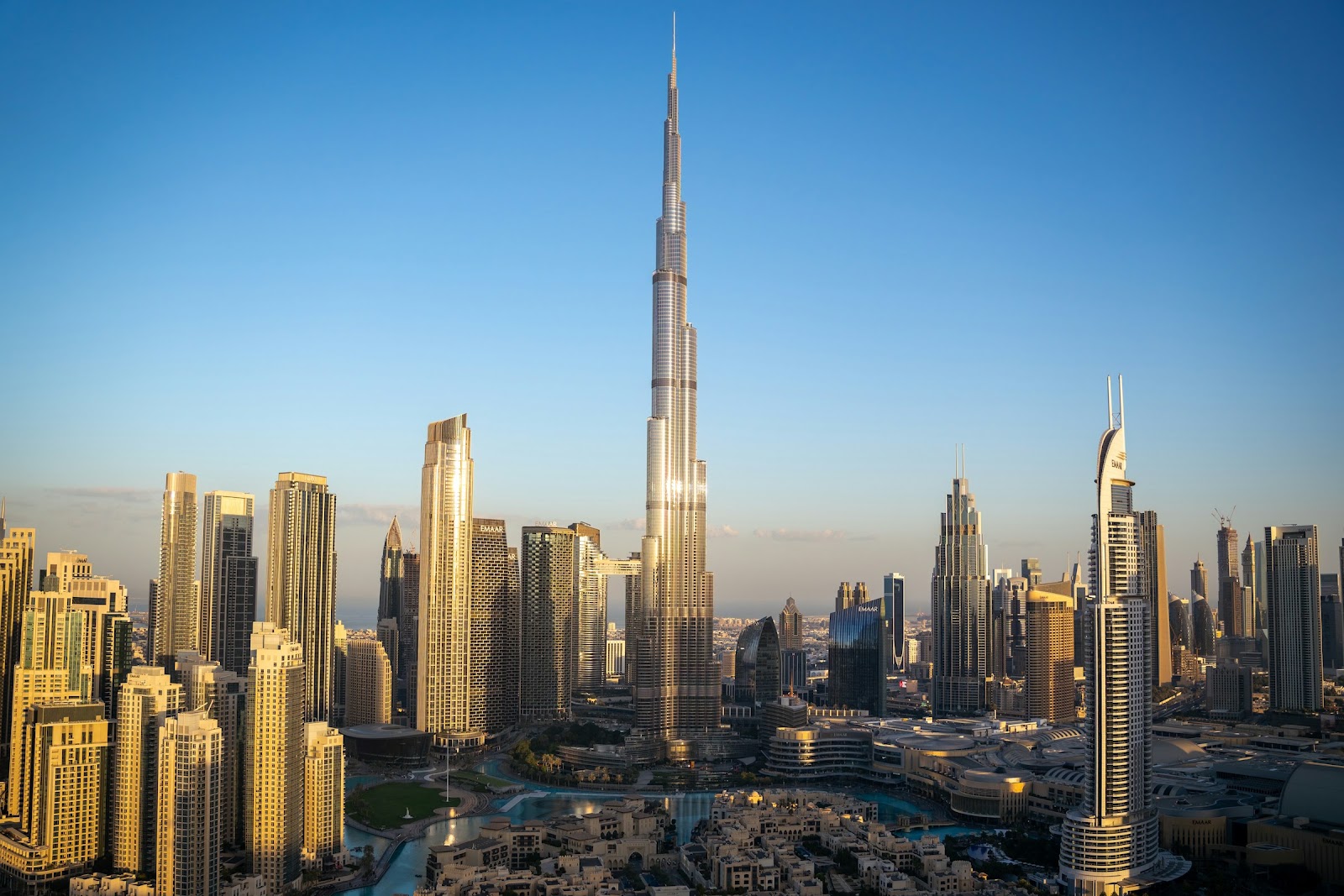
What works is hedging. Pick at least two main anchors in two different blocs, so that a shock in one doesn't reach the other. For most of the families we work with, one anchor sits in Europe, for the rule of law and the quality of life. The other sits in Asia or the Gulf, for growth, lower taxes and a different set of alliances.
Europe has real problems, and it is fair to name them: red tape, slow bureaucracy, an anti-business streak and far too much regulation. The headlines about migration and unrest are real too, but how much they touch your life depends a lot on where you choose to live. As a place to actually live well, much of Southern Europe is still hard to beat.
Build your anchors on slow, stable paths, the kind where the worst case is that the road gets longer, never that it gets cancelled. And before buying anything new, use what you already have: the passports you hold, and any descent claim worth checking.
Then add the lighter layers around your anchors. This is where residencies make the most sense. They cost far less than a passport, you can hold more than one, and they keep the door open in both anchors at once.
The Layers of Your Sovereign Blueprint
This is not a complete map, and it is not advice for everyone. These are some of our favorite options, the ones we keep coming back to when we sit down with a family. Every one of them carries its own risks, and every one can change. That is exactly why you hold more than one.
Residency: the right to be somewhere
- Portugal Golden Visa. The fund route asks for only fourteen days in the country every two years. Permanent residency becomes possible five years after the first permit.
- Italy Investor Visa. No minimum stay to keep it, and on the startup route the visa is approved before the capital moves.
- Greece Golden Visa. Still property-based, with higher thresholds that now depend on the location.
- UAE Golden Visa. Ten years, renewable. The property route starts at two million dirhams.
- Malta Permanent Residence. Permanent status inside the EU from day one.
- Thailand. The Privilege visa works like a membership, with up to twenty years of residence and no income test. The LTR visa runs for ten years and adds tax benefits, for those who qualify on assets.
- New Zealand. The Active Investor Plus visa asks for five million New Zealand dollars. The money stays invested for three years. In that time, you only need to spend three weeks in the country. It is where Thiel and Page placed their bets.

Citizenship: the right no one can take away
We left out the passports that top the rankings but stay closed in practice, like Singapore and the UAE. These are the plays that real people actually finish.
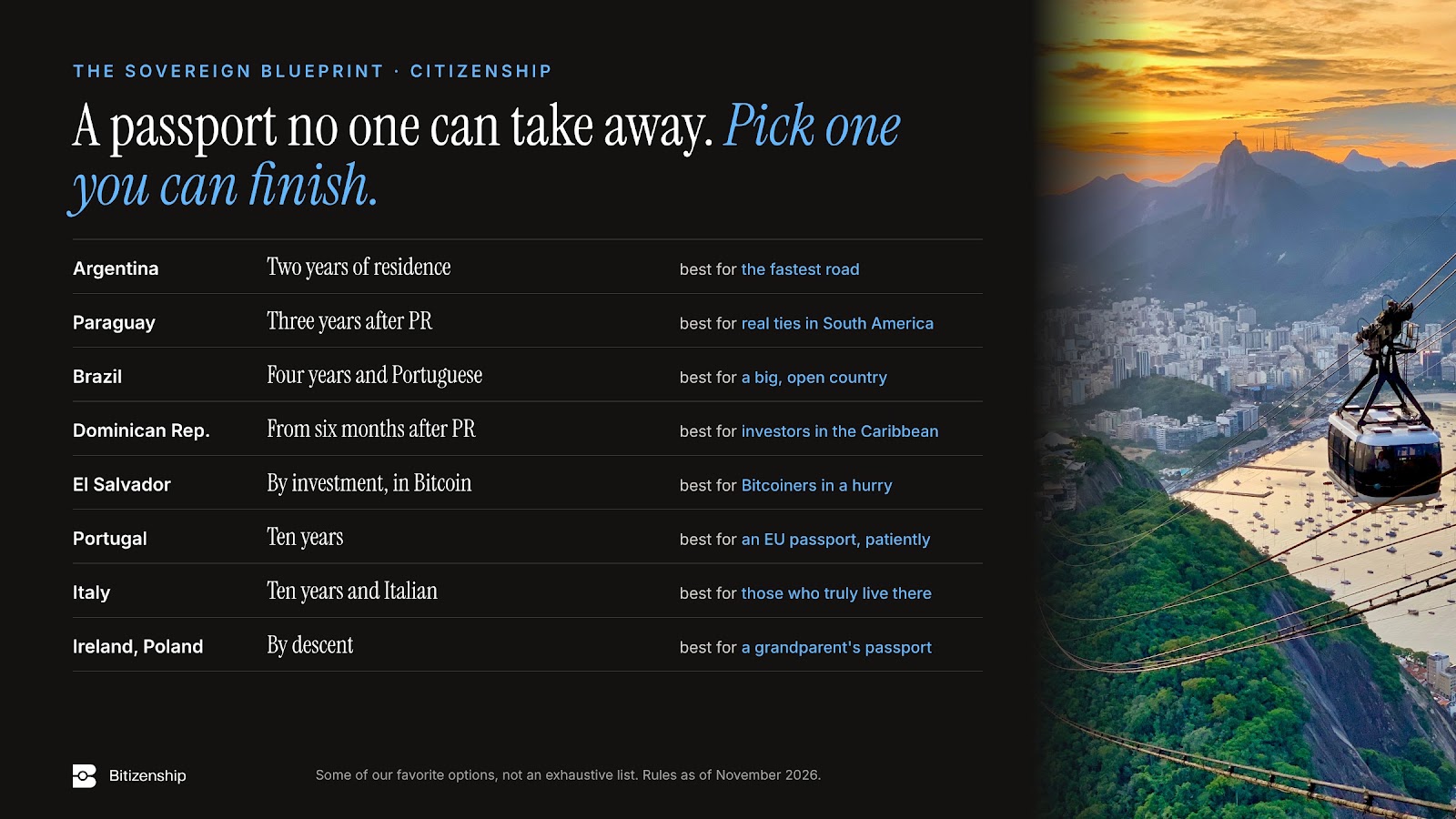
- Italy. One of the strongest passports in the EU. Since 2025, citizenship by descent stops at parents and grandparents, so for most foreigners the road is ten years of actually living in Italy, plus the language.
- Portugal. Ten years of legal residence for most non-EU nationals, seven for EU citizens and Portuguese-speaking countries. Slower than before, with a strong EU passport at the end.
- Paraguay. One of the fastest paths anywhere: citizenship can come three years after permanent residency, for people who build real ties there.
- Argentina. Two years of continuous legal residence, one of the shortest roads in the world. What counts as "continuous" has been tightened by decree and then challenged in court, so this path needs careful planning.
- Brazil. Four years of residence and a conversation in Portuguese. With a Brazilian spouse or child, the wait drops to a single year.
- Dominican Republic. An investor residency first, then naturalization. Investors and property owners can apply just six months after permanent residency, with an interview in Spanish at the end.
- El Salvador. The Freedom Visa is the only citizenship program built to be paid in Bitcoin or USDT. The ticket is one million dollars, and the number of places each year is capped.
- A grandparent's passport. Ireland, Poland and several other European countries recognize citizenship through ancestry, each under its own rules. For many people it is the cheapest EU passport they will ever hold, so check your family tree before anything else.
One honest note. No EU country sells citizenship anymore, since the EU Court of Justice ended Malta's program in 2025. The EU has also asked the five Caribbean states to phase out their citizenship by investment programs by mid-2028, which puts their Schengen access at risk. If you hold a Caribbean passport, pair it with a European residency.
Tax residency: where you actually pay
Start from the life you want, then work back to the tax. Tax is the point of arrival, not the starting point. Each of these fits a different profile.
- The UAE. No personal income tax. Built for founders and earners who are happy to actually live there.
- Italy. One flat annual amount covers all your foreign income. For families with large international income, it is still one of the best deals in Europe.
- Switzerland. Lump-sum taxation based on your living costs, not your income, still offered by most cantons. For wealthy people who don't work in Switzerland.
- Cyprus. Non-doms pay nothing on dividends and interest, and the sixty-day rule, eased in 2026, lets you qualify without living there half the year. For mobile entrepreneurs.
- Paraguay. Territorial taxation, so foreign income stays outside the net. Lean and simple, with the new reporting rules in mind.
- Greece. One flat annual amount on all your foreign income, for up to fifteen years, at a third of Italy's price. It comes with an investment in Greece, and it pairs naturally with the Golden Visa.
- Uruguay. Eleven years with no tax on foreign capital income for new residents. Since 2026 the door is narrower: you either live there most of the year or invest seriously.

Banking and custody: where your money sleeps
- Switzerland. One of the deepest private banking systems in the world, and a regulator that has licensed crypto banks for years.
- Singapore. Strict, stable, and one of the most reliable bridges between crypto and traditional banking.
- Hong Kong. Singapore's natural partner in Asia, with licensed virtual asset platforms and direct access to Asian capital. Together they make a strong Asian leg.
- Liechtenstein. A dedicated blockchain law and direct access to the European market.
- Your own keys. Self-custody, ideally multisig with keys in different places, is the only layer that doesn't depend on any bank or any state.
Real assets across jurisdictions: something you can touch
Here we take a clear position. Europe for the life, Asia for the hedge.

- Southern Europe. Portugal, Italy and Greece: places people will always want to live.
- Japan. Still one of the most open property markets in the world for foreigners. New reporting rules arrived in 2026, but restrictions on residential buying were set aside for now.
- Malaysia. Foreigners can buy, and property is now part of the MM2H residency program.
- Thailand. Foreigners can own condominium units outright, within a quota per building. A simple foothold in Southeast Asia.
- The UAE. Freehold property in designated areas, directly linked to residency.
You don't need all of this tomorrow. Build your two anchors first, and start the slow layers early.
Why We Are Builders, Not a Catalogue
This is where Bitizenship comes in, and it is worth being clear about what we are.
Bitizenship builds the Sovereign Blueprint, with a growing set of products aligned with one vision. Because at our core, we believe everyone deserves an alternative.
We don't sell visas. We sell the ability to say no, to a government, a tax regime, a border, a system that was never built for you.
We are not a catalogue. We don't resell every program on the market. We design our own products only where there is a real regulatory advantage and a real need, even when that need belongs to a niche, and we design them to fit into your blueprint, not the other way around.
Some of these tools already exist.
In Portugal, the Bitcoin Ecosystem Golden Visa is a Golden Visa-eligible private equity pathway for Bitcoin-aligned investors, with exposure to the Bitcoin ecosystem through the activities of the company the fund invests in. It asks for only fourteen days in Portugal every two years. It can lead to EU permanent residency five years after the first residence permit, subject to requirements.
In Italy, the Bitcoin Dolce Visa is an equity investment in Bitizenship Italia S.r.l., a Milan-based Innovative Startup, which can qualify you for the Italian Investor Visa. The visa is approved before the capital is transferred, and there is no minimum stay requirement to keep it.
We have managed more than a hundred and fifty visas so far, and we are building more tools for more jurisdictions with the same logic: compliant, and designed for people who want to stay free whatever happens next.
Start While It's Calm
In Argentina, the rules on land changed twice in less than two weeks. The people who had already built their options barely noticed.
That is the whole point. You don't build optionality to use it tomorrow. You build it so that when the next rule changes, it doesn't change much for you.
If you want to start building your blueprint, use the Get in touch button on this page, and our team will walk you through the pieces that fit your situation.
Disclaimer:
This article is published by Bitizenship for informational and educational purposes only and is not legal, tax, immigration, investment or financial advice, nor an offer or solicitation to subscribe to any investment product. Program terms, eligibility criteria, processing times and tax regimes change frequently and vary by individual circumstances. The Bitcoin Ecosystem Golden Visa involves an investment in a Golden Visa-eligible private equity fund, and the Bitcoin Dolce Visa involves an equity investment in Bitizenship Italia S.r.l., an Italian private company. Review the official documentation and consult independent legal, tax and financial advisors before making any decision. Past performance does not guarantee future results. Capital is at risk. Residency and citizenship outcomes depend on meeting all legal, language, residency and integration requirements and are never guaranteed.
Photo credits
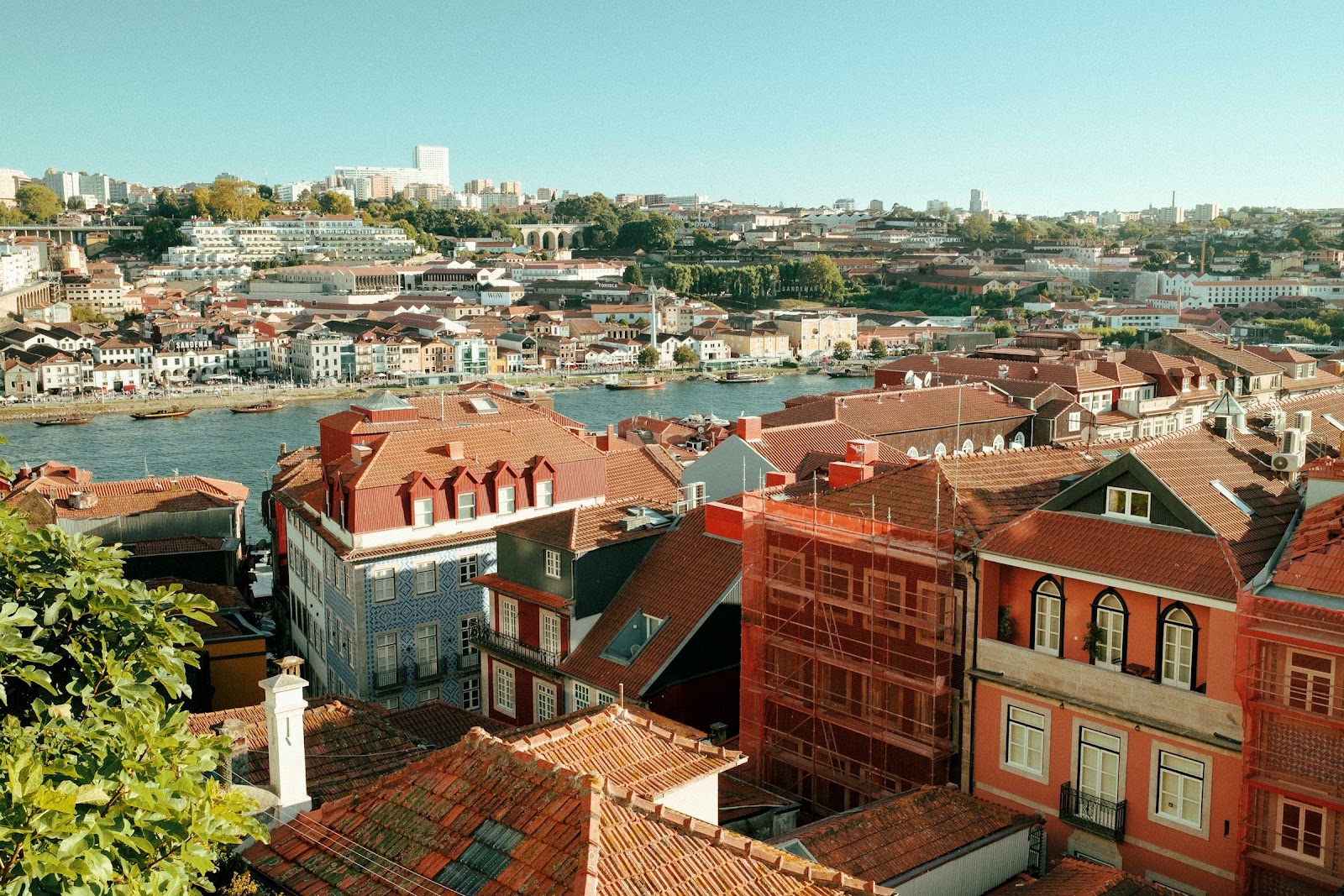
The photos in this article come from Unsplash. Thank you to Marc Snailum (calm sea), João Reguengos (Lisbon), Ash Coronado (Buenos Aires), Robert Eklund (Bangkok), Gokul (Singapore), Drawchicken Studio (Italian olive groves), Shibin Joseph (Dubai), JJ Ying (Mount Fuji), Augusto Lopes (Porto), john xe (Santorini), Davi Costa (Rio de Janeiro) and Annalisa Bellini (Lake Lugano). The slides are by Bitizenship.
Let’s keep in touch.
Every so often, a letter from us on new residencies, new citizenships and a freer way to live.
