The Biggest Residency Trends to Watch in 2026
.png)
The biggest residency trends to watch in 2026 all point in one direction: investment migration is getting tighter, more selective, and more strategic.
Programs that defined the last decade are closing or raising thresholds, citizenship timelines are stretching, and a new generation of investors is reshaping demand.
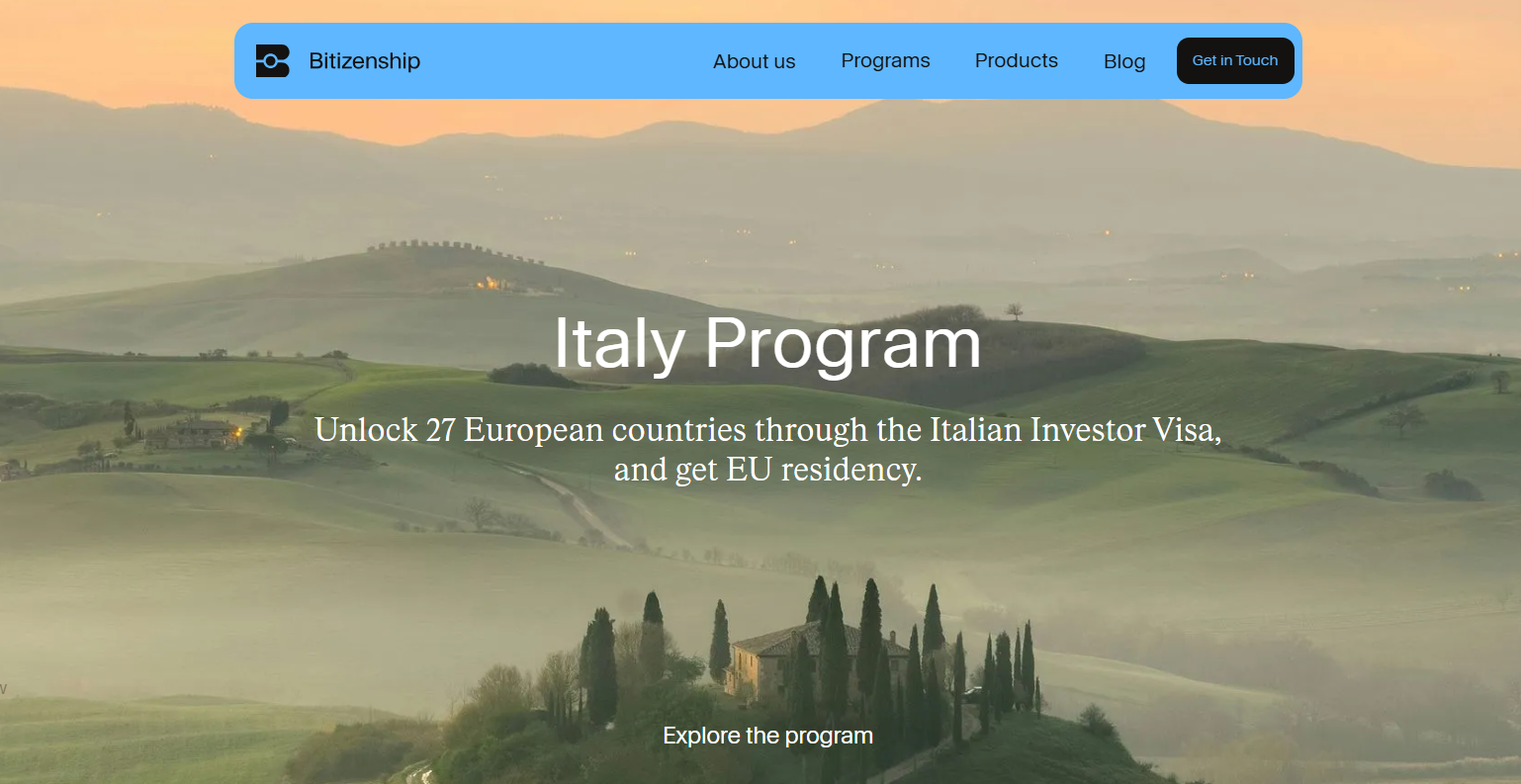
Italy is a clear example of the shift, registering 209 Investor Visa applications between 2018 and December 1, 2025, a compound annual growth rate of roughly 62.6% from just seven applications in its first year (Source: CEOWORLD Magazine).
For globally mobile investors, especially Bitcoin holders, understanding these trends is now essential to planning a residency strategy that still works five and ten years from now.
In this report, Bitizenship breaks down the five residency trends that matter most in 2026 and what they mean for Bitcoin-aligned investors.
Key Takeaways
- European golden visa programs are closing, shrinking, or raising investment thresholds in 2026.
- Portugal's new nationality law extends citizenship timelines, making permanent residency the key milestone.
- Italy's Investor Visa is the fastest-growing residency trend among EU programs.
- Bitcoin wealth is entering investment migration, with source-of-funds scrutiny rising.
- Bitizenship structures Bitcoin-aligned pathways matching the top residency trends in 2026.
The State of Residency by Investment in 2026
The European residency-by-investment landscape entering 2026 looks very different from the one investors knew even three years ago.
Spain abolished its golden visa entirely in April 2025, Ireland closed its program in 2023, Greece tripled its Athens real estate threshold to €800,000, and Portugal removed real estate from its Golden Visa back in October 2023.
Demand, meanwhile, has not slowed: Italy's Investor Visa filings jumped 22% in the second half of 2025 alone as geopolitical uncertainty pushed investors toward southern Europe's flexible programs (Source: The Economic Times).
The macro picture can be summarized in a few movements:
- Supply of programs is shrinking while demand from globally mobile investors keeps rising.
- Eligible investments are moving away from real estate toward regulated funds and operating companies.
- Citizenship timelines are lengthening across Europe, raising the strategic value of permanent residency.
- Compliance, due diligence, and source-of-funds verification are tightening everywhere.
- A new investor profile, the Bitcoin and crypto wealth holder, is becoming a major demand driver.
Each of these movements is a trend in its own right, and together they define how investors should approach EU residency programs in 2026. The sections below take them one by one.
Trend 1: The Great Consolidation of European Golden Visas
The first and most visible residency trend of 2026 is consolidation. Europe's residency-by-investment market has gone from abundance to scarcity in under five years, and the programs that remain are the ones built on regulated structures rather than property speculation.
The scoreboard tells the story:
- Spain: golden visa permanently abolished in April 2025.
- Ireland: Immigrant Investor Programme closed in 2023.
- Greece: Athens and major island real estate threshold raised to €800,000.
- Portugal: real estate route eliminated; qualified funds remain the core eligible investment.
- Italy: Investor Visa unchanged since 2017, with four stable routes starting at €250,000.
The consequence is that investors now choose between a much shorter menu, and stability itself has become a selling point.
Italy has done essentially nothing to its program while neighbors dismantled theirs, which is precisely why applications keep climbing. Portugal, despite political noise, retains a fund-based Golden Visa that remains one of the most flexible in Europe, with a stay requirement of just 14 days every two years.
Bitizenship's Portugal program is built on exactly this fund framework: under Portuguese rules, qualified funds are the eligible investment category, and Bitizenship's Portugal Fund is a Golden Visa-eligible private equity fund. Scarcity is rewarding the programs, and the structures, that were compliant from the start.
Trend 2: Citizenship Timelines are Stretching, and Permanent Residency is the New Prize
The second major residency trend of 2026 is legislative: Europe is making citizenship slower while leaving residency frameworks largely intact. Portugal is the defining case.
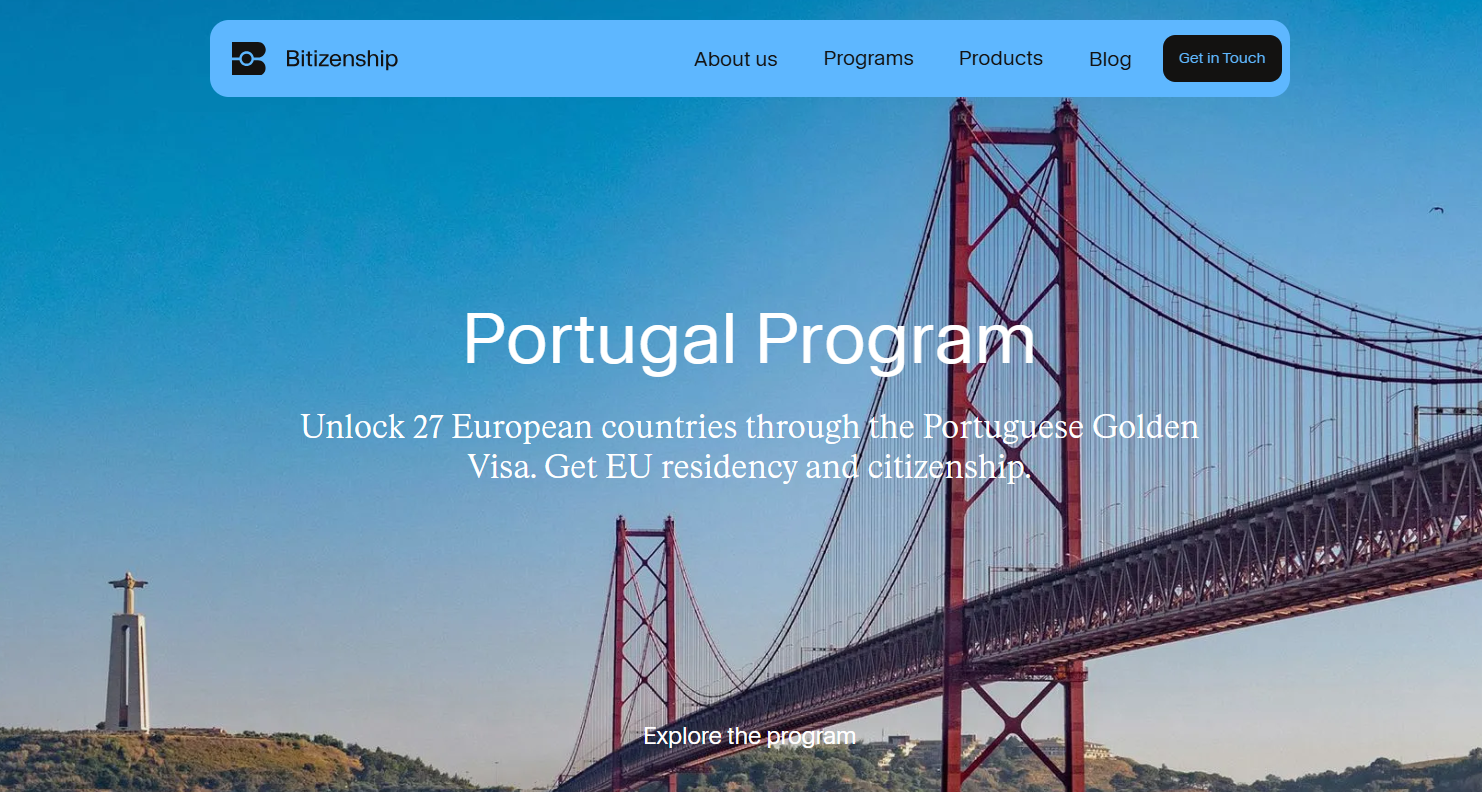
After a legislative process that ran from June 2025 through a Constitutional Court review, Parliament approved the revised Nationality Law on April 1, 2026 by 152 votes to 64, the President promulgated it on May 3, and the law was published in the Diário da República on May 18, 2026, entering into force the following day (Source: The Portugal News).
The practical changes for investors are significant:
- Naturalization now requires 10 years of legal residence for most nationalities, up from 5.
- EU and CPLP nationals face a 7-year requirement.
- The clock runs from the issuance of the first residence permit, not from the application date.
- Nationality applications already pending before entry into force remain under the prior 5-year regime.
- Permanent residency under the Foreigners Act is unchanged: 5 years of legal residence as a permit holder.
The strategic takeaway is that permanent residency has become the anchor milestone of European mobility planning. Portugal's Golden Visa still offers a pathway to PR after five years with minimal physical presence, and PR is a permanent EU status: holders can drop the investment, keep the right to live and work in Portugal, and retain Schengen access.
Citizenship remains a consequential pathway after PR, subject to the new timelines and to language, integration, and clean-record requirements, but it is no longer the headline.
Investors comparing programs should now ask "how strong is the PR outcome?" before asking about passports, a question covered in depth in Bitizenship's Portugal FAQ.
Trend 3: From Real Estate to Funds and Startups
The third residency trend of 2026 is structural: the eligible investment itself has changed.
The golden visa era was built on apartments; the current era is built on regulated funds and innovative companies. Governments pushed this shift deliberately, redirecting investor capital away from housing markets and toward productive sectors of the economy.
The new map of eligible investments looks like this:
- Portugal: qualified investment funds are the core eligible route, with a €500,000 threshold for Golden Visa eligibility.
- Italy: the flagship route is a €250,000 equity investment in an Italian Innovative Startup, alongside €500,000 company, €1M donation, and €2M bond options.
- Greece and Hungary: fund-based routes at €250,000 sit alongside higher real estate thresholds.
This is exactly the framework Bitizenship operates within. In Portugal, funds are the eligible investment, so Bitizenship structured a Golden Visa-eligible private equity fund that invests in a fully owned Portuguese company focused solely on the Bitcoin ecosystem.
In Italy, the eligible route is the startup, so Bitizenship structured the Bitcoin Dolce Visa around a €250,000 Class B equity investment in Bitizenship Italia S.r.l., a Milan-based Innovative Startup whose treasury is held in BTC as working capital and deployed for non-custodial Bitcoin Layer-2 validation and related R&D.
One country, one structure: a Portuguese fund and an Italian startup, each a valid eligible investment under its respective program. Investors who still think in terms of "buying property for a visa" are planning for a market that no longer exists.
Trend 4: Italy is the Fastest-Rising Residency Program in Europe
If one program embodies the 2026 residency trends, it is Italy's Investor Visa.
Established in 2017 under Article 26-bis of Legislative Decree 286/1998, the program spent years in obscurity before becoming the growth story of European investment migration, with applications compounding at over 60% annually since inception (Source: CEOWORLD Magazine).
The reasons investors are moving south are concrete:
- Lowest entry point among major EU programs at €250,000 via the Innovative Startup route.
- Fast processing, typically 3 to 6 months from preparation to residence permit.
- Visa approval comes before capital transfer: funds move only after the Nulla Osta and consular visa are issued.
- No minimum stay requirement to maintain the Investor Visa, which is renewable indefinitely while the investment is maintained.
- A flat tax regime for new residents, now set at €300,000 per year on foreign-sourced income as of January 1, 2026, available for up to 15 years.
As Alessandro Palombo, Co-Founder of Bitizenship, puts it: "Italy's investor visa is the most underrated residency program in Europe. €250,000. Residency in 3–6 months. Indefinitely renewable. Zero stay requirement. Immediate Schengen access. The people ignoring it now will be the ones wishing they hadn't."
One framing matters for accuracy: Italy is pure residency by investment, not citizenship by investment.
Permanent residency becomes available after 5 years of continuous legal residence, and citizenship by naturalization requires 10 years of genuine legal residence, living in Italy 183+ days per year, plus B1 Italian, integration, and a clean criminal record. Citizenship is never automatic.
For investors whose priority is fast, flexible residency rather than a quick passport, the trade-off is attractive, and the step-by-step Italian residency guide shows how straightforward the pathway has become.
Trend 5: Bitcoin Wealth Meets Investment Migration
The fifth residency trend of 2026 is the arrival of a new investor class. Bitcoin and crypto holders increasingly view a second residency as the mobility layer of their broader thesis: optionality, jurisdictional diversification, and a hedge against political swings at home.
Programs and providers are adapting in two ways, one welcoming and one demanding.
On the demand side, the adaptation looks like this:
- Structures designed for Bitcoin-aligned investors, such as Bitizenship's Portugal Fund, positioned as the first and largest Bitcoin Ecosystem Golden Visa Fund, and the Bitcoin Dolce Visa in Italy.
- Indirect Bitcoin exposure through regulated vehicles: a fund-owned Portuguese company focused on the Bitcoin ecosystem, or equity in a Bitcoin-focused Italian startup that retains ownership of its assets.
- Investor economics built around the asset class, such as Class B shareholders in Bitizenship Italia S.r.l. receiving 90% of realized profits, with redemption windows every 24 months in BTC or EUR under Italian corporate law, subject to company performance and startup risk.
On the compliance side, scrutiny is rising just as fast. Source-of-funds verification is now the single most time-consuming part of any application, and crypto wealth faces the deepest review: full exchange histories, wallet records, chain analysis reports, and evidence of tax compliance.
Investments themselves must flow through compliant banking rails; the Portugal investment must be transferred from a foreign bank account, and the Italy investment is a euro-denominated equity transfer.
Investors preparing now should start with their source-of-funds documentation months before applying, because clean paperwork is what separates a 3-month approval from a stalled file.
What These Residency Trends Mean for Bitcoin-aligned Investors
Taken together, the 2026 residency trends carry a clear message for Bitcoin holders: the window is narrowing, but the remaining pathways are stronger than ever. Fewer programs exist, yet the survivors are regulated, fund- and startup-based structures that suit Bitcoin-aligned capital far better than the old real estate routes ever did.
The practical implications:
- Act on stable programs rather than waiting for ideal ones; Spain's investors learned that programs can vanish with little warning.
- Plan around permanent residency milestones first, with citizenship as a consequential, longer-term pathway subject to requirements.
- Match the program to the goal: Portugal for a 5-year PR pathway with 14 days of presence every two years, Italy for speed, a €250,000 entry point, and no minimum stay to maintain the visa.
- Prepare source-of-funds documentation early, especially for BTC-denominated wealth.
- Choose structures with genuine Bitcoin alignment rather than forcing capital into assets you have no conviction in.
Bitizenship sits at exactly this intersection, structuring compliant investment vehicles in Portugal and Italy for investors who want European mobility without abandoning their Bitcoin-aligned worldview, supported by administrative guidance, vetted legal and tax partners, and founder-led oversight.
Investors weighing the two pathways can compare both programs before speaking to an advisor.
How Bitizenship Sees the Next 12 Months
Bitizenship's forward view is that the trends above will accelerate rather than reverse. Europe will keep tightening citizenship rules, compliance bars will keep rising, and capital will keep concentrating in the few stable, well-structured programs left standing.
Over the next 12 months, Bitizenship expects:
- Continued growth in Italy Investor Visa demand as investors price in Portugal's longer citizenship timeline.
- Permanent residency becoming the headline metric in program comparisons across the industry.
- Rising demand for Bitcoin-aligned structures as more crypto wealth seeks compliant mobility solutions.
- Heavier documentation requirements, making early preparation the biggest competitive advantage an applicant can have.
With 150+ visas managed, 25+ professionals in its network, and a founding team with a €130M+ combined capital formation track record, Bitizenship's team is positioned to help investors navigate exactly this environment across both Portugal and Italy.
Conclusion
The biggest residency trends to watch in 2026 describe a market in transition: golden visa programs consolidating, citizenship timelines stretching, eligible investments shifting from real estate to funds and startups, Italy rising as Europe's fastest-growing program, and Bitcoin wealth emerging as a defining demand force.
For investors, the message is to plan around permanent residency, choose stable and compliant structures, and prepare documentation early.
Bitizenship was built for this exact moment, offering a Golden Visa-eligible fund pathway in Portugal and the Bitcoin Dolce Visa startup pathway in Italy, both designed for Bitcoin-aligned investors seeking European residency, Schengen mobility, family inclusion, and long-term optionality, always as pathways subject to requirements rather than guarantees.
Get in touch with Bitizenship today to find out which 2026 pathway fits your goals before the window narrows further.
Read next:
- How to Get Italian Residency with Bitizenship: Step-by-Step Breakdown
- What Is the Fastest Way for an American to Get Residency in Europe?
- Best EU Residency Programs for Crypto Investors in 2026
FAQs:
1. What are the biggest residency trends to watch in 2026?
The biggest residency trends in 2026 are the consolidation of European golden visa programs, longer citizenship timelines, the shift from real estate to fund and startup investments, the rapid growth of Italy's Investor Visa, and the rise of Bitcoin wealth in investment migration. Bitizenship tracks these trends closely and structures its Portugal and Italy programs around the regulated fund and startup routes that now define the market.
2. How do 2026 residency trends affect Portugal's Golden Visa?
The 2026 residency trends affect Portugal mainly through its new Nationality Law, in force since May 19, 2026, which extends naturalization timelines to 10 years for most nationalities and 7 years for EU and CPLP nationals. Permanent residency after 5 years is unchanged, which is why Bitizenship frames its Portugal Fund as a pathway to PR in five years with a consequential pathway to citizenship afterward, subject to requirements.
3. Why is Italy central to residency trends in 2026?
Italy is central to 2026 residency trends because its Investor Visa has remained stable since 2017 while competitors closed or restricted their programs, and applications have grown at over 60% annually since inception. Bitizenship's Bitcoin Dolce Visa uses Italy's €250,000 Innovative Startup route, offering fast processing, visa approval before capital transfer, and no minimum stay requirement to maintain the visa.
4. How do residency trends in 2026 impact Bitcoin investors?
Residency trends in 2026 impact Bitcoin investors in two ways: more programs and structures now accommodate Bitcoin-aligned capital, while source-of-funds scrutiny on crypto wealth has intensified. Bitizenship addresses both, structuring compliant vehicles with indirect Bitcoin exposure in Portugal and Italy and supporting investors through documentation, legal partners, and tax advisors throughout the procedure.
5. Which residency trend matters most when choosing a program in 2026?
The most important residency trend when choosing a program in 2026 is the shift toward permanent residency as the key milestone, since citizenship timelines have lengthened across Europe and are never guaranteed. Bitizenship helps investors weigh this trade-off, with Portugal offering a 5-year PR pathway with minimal stay requirements and Italy offering a lower €250,000 entry point with faster processing.
Disclaimer:
This article is published by Bitizenship for informational and educational purposes only. It reflects Bitizenship's perspective on the investment migration market and is not intended as legal, tax, immigration, investment, or financial advice, nor as an offer or solicitation to subscribe to any investment product. Comparisons with other firms are based on publicly available information and our own assessment of structural differences in business models. We have aimed for accuracy, but descriptions of programs, regulations, and competitor offerings are necessarily summaries and may not capture every legal nuance. Program terms, eligibility criteria, processing times, tax regimes, and regulatory frameworks change frequently and vary by individual circumstances. The Bitcoin Dolce Visa involves an equity investment in Bitizenship Italia S.r.l., an Italian private company. Any investment decision should be made only after reviewing the official documentation and consulting independent legal, tax, and financial advisors qualified in the relevant jurisdictions. Past performance does not guarantee future results. Capital is at risk. Residency and citizenship outcomes depend on meeting all legal, language, residency, and integration requirements set by the relevant authorities and are never guaranteed. Always refer to official government and regulatory sources, and engage qualified professionals before acting on any information in this article.


Let’s keep in touch.
Every so often, a letter from us on new residencies, new citizenships and a freer way to live.
